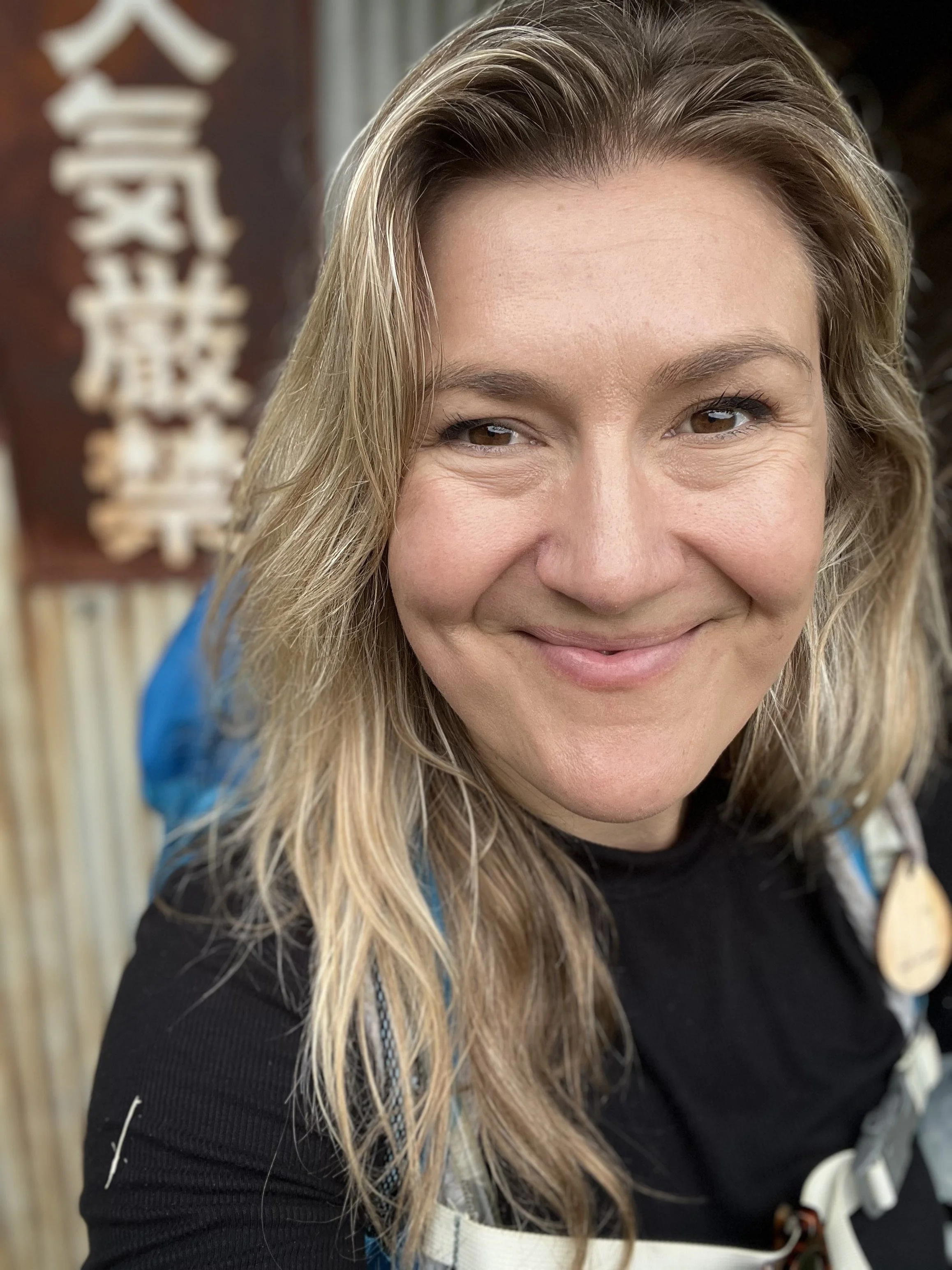
Lessons from my Dad on the Nakasendo Trail
Japan, 2026
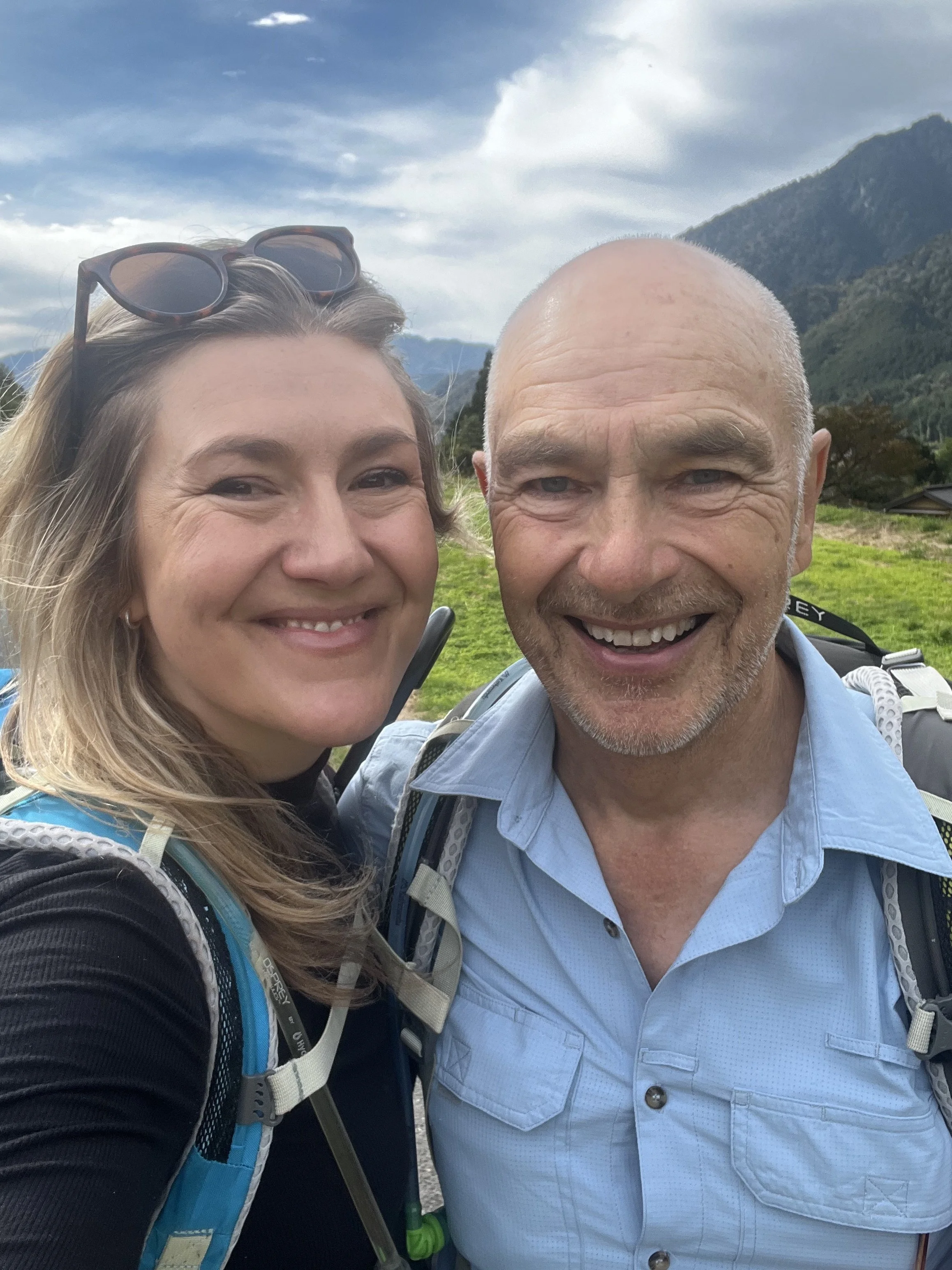
Two weeks ago, I set my out-of-office, handed my films over to my team, left my kids in their dad’s very capable hands, and got on a plane to Japan with my 74-year-old father.
A few years ago, Dad made me an offer: that we should go on a serious hike together while he’s still fit enough to do it. If you knew him, you’d laugh at the “while he’s still fit” - he’s fitter than most people half his age.
But his point wasn’t really about fitness. It was about time. Dad has always believed one-on-one time between a parent and a child is special time. He’s been taking my sister and me on solo trips since we were small, just the two of us, for exactly that reason.
Stepping away felt risky. My business is only two and a half years old, and I wear many hats. But at the heart of Big Stories Little Films is the belief that family is sacred, that relationships are irreplaceable, and that the stories and connections we build are the most valuable thing we have.
So we flew to Tokyo, where my stepmother (who is Japanese) gave us the most wonderful tour.
Then Dad and I went off on our own - 7 days walking the Nakasendo Trail from Ena to Yokokawa, through landscapes that changed completely each day. From provincial small towns to forests lit up in the crimson and gold of Japanese autumn maple trees.
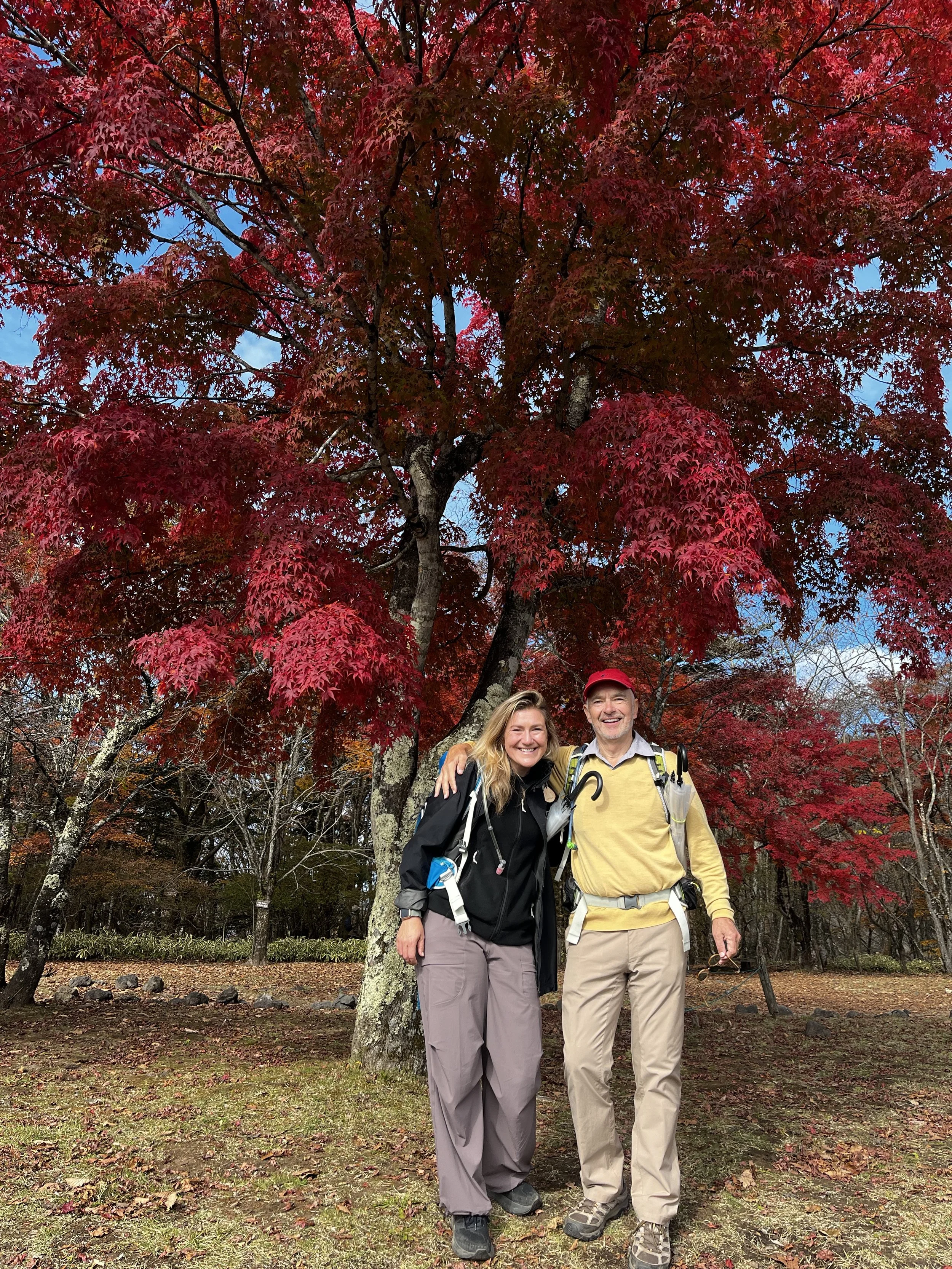
What mattered most wasn’t the scenery, though it was stunning. It was the conversations you only have when you’re walking beside someone for hours, with nowhere else to be.
No child needing attention, no “somewhere else” pulling at either of us. Just two adults, who share a lifetime of history.
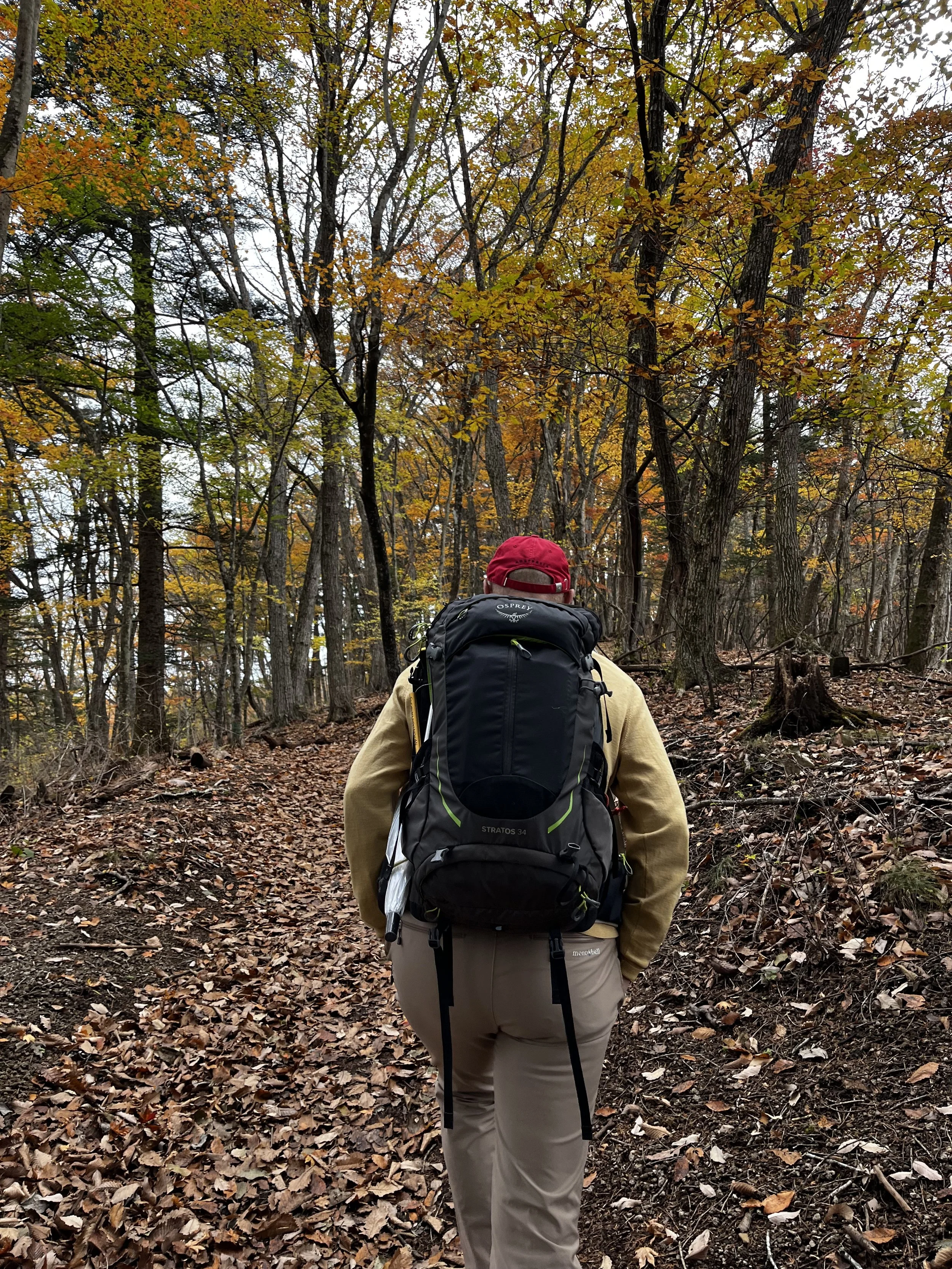
In one of our many chats, Dad introduced me to the concept of ‘mono no aware’ (物の哀れ) - a Japanese concept, touched by Buddhist ideas of impermanence, that means ‘the pathos of all things.’ It celebrates the bitter-sweet beauty of the cherry blossom’s short life before the spring winds.
It describes finding an acceptance of imperfection, impermanence and the inexorable passing of life; and it acknowledges complexity in knowing that both beauty and loss can co-exist.
It felt like he’d handed me the exact term for something I feel all the time and had never been able to name, and it made me cry hearing it. I’m not surprised English has no real equivalent.
I’m only back at my desk this week, and the to-do list is long. But I’ll treasure that experience for the rest of my life.
I know life is busy, and I know it’s easy to feel like there’s never enough time or money, but if you can find a way to take real, uninterrupted time with the people in your family - ideally in nature, I’d encourage you to take it.
There you will find memories to hold onto for a lifetime.
And if it has you thinking about the stories only your own parents or grandparents can tell — I’d love to help you capture them while there’s still time.